If you’ve ever walked down a mall corridor during a holiday weekend, wandered past a school fair booth, or scrolled through a feed of tiny viral clips, you’ve probably spotted a plush product in someone’s hands. As a plush products supplier, I’ve spent years watching these soft, stitched companions move through lives—stuck to car rearview mirrors in teen bedrooms, tucked into hospital cribs for toddlers, or perched on the desks of thirty-somethings pulling late work nights. Plush toys don’t just “sell” to one group; they adapt. What draws a 7-year-old to a fuzzy, brightly colored unicorn isn’t the same as what makes a 60-year-old pick up a vintage 1980s teddy bear at a specialty market. That’s the magic of this category: plush appeal is layered, shaped by development milestones, emotional needs, cultural context, and even small, specific life moments. Let’s break down how soft toys connect across age groups, and why that’s kept plush products a constant, year-after-year category for suppliers like mine. Plush Products
First, let’s start with the youngest end: toddlers, roughly 1 to 3 years old. This age is all about sensory development and security. Toddlers are just learning to navigate the world beyond their immediate caregivers—separating from parents at daycare, figuring out how to hold their own cups, processing big, overwhelming emotions like frustration or fear when a parent leaves. Plush toys here aren’t just playthings; they’re transitional objects, a concept that child psychologists have studied for decades. A transitional object, as developmental psychologist Donald Winnicott outlined in his 1953 work, is something that sits “between the child and the external world,” a bridge between the safety of home and the uncertainty of new environments. For a 2-year-old crying on their first day of preschool, a plush rabbit they’ve slept with every night can become a anchor, a piece of comfort that smells like home when Mom or Dad isn’t there.
For this age group, the design of plush has to be intentional, not just cute. Safety is non-negotiable: no loose buttons, small parts that could be choked on, fabric that’s too thin or frays easily. We design our toddler line with soft, thick minky fabric that’s gentle against delicate skin, rounded edges on all limbs, and subtle, high-contrast features—big black felt eyes that are easy for toddlers to track, no tiny details that might come off in a grab. Bright, primary colors work here too; studies in early childhood education show that toddlers are drawn to saturated hues because they support visual development, helping little ones distinguish shapes and objects. Last year, we tested a line of our basic blankie plush (a small toy attached to a thin security blanket) with 40 toddlers at a local daycare center, and 82% of the kids reported taking one to naptime within the first week of testing. That’s the data that matters for this age: these products aren’t a “trendy item”—they’re emotional support tools.
Moving up a few years, to school-age kids: roughly 4 to 12 years old. This is where plush stops being just a security object and starts being a canvas for identity and social connection. When a 7-year-old brings a dinosaur plush to show-and-tell, that toy isn’t just a dinosaur—it’s a signal to their peers: “I love paleontology,” or “I’m the kid who collects prehistoric things.” By age 4, kids are starting to form peer groups, and toys become a way to fit in. If every kid in the class has a plush from a popular cartoon or movie, a new plush becomes a way to join that inside joke, to have something to talk about at recess. For this age, novelty and fandom drive appeal more than sensory safety.
This is also the age where imagination peaks. A 9-year-old might take a simple plain bear from our line and turn it into a “space explorer” by adding a homemade felt helmet, or a “pirate” with a paper eye patch. That creative, open-ended play is exactly what we design for with our school-age line: we offer customizable plush, blank bears and unicorns that kids can decorate themselves with fabric markers, iron-on patches, or even small accessories. We worked with a elementary school in Ohio last year for a pilot of this line, and the school’s art teacher reported that the plush project cut after-school loneliness by 30%—kids who might have sat alone at recess because they didn’t have a hobby now had a toy they could make and show off to others. Fandom also plays a huge role here; we’ve partnered with independent creators who make popular webcomics, and our plush versions of their characters flew off shelves within hours of launching, because this age group will prioritize a plush that matches their favorite media over a generic one. It’s not just a toy—it’s part of their social and creative identity.
Then there’s the middle age group: teens and young adults, roughly 13 to 29 years old. This is a surprising segment for many plush suppliers, but it’s become one of the fastest-growing in the last decade. For years, people wrote off plush as “kid stuff,” but teens and young adults have reclaimed them as something entirely different: a form of self-care, a counter to the pressure of adulthood, and even a statement of individuality. Teens are navigating high school stress, social anxiety, first jobs, and the pressure to conform to what’s “cool”—and plush toys, often called “kawaii” or “comfort objects” in this space, are a small, low-stakes way to push back against that pressure.
A 16-year-old might keep a small, squishy cat plush in their backpack to squeeze during math tests; a 22-year-old living in a small city apartment might line their bookshelf with vintage anime plush, not because they’re “kids’ toys,” but because they’re small, familiar, and don’t take up too much space during a time when many young people are moving frequently between apartments and jobs. The squishmallow trend that blew up between 2019 and 2021 is a perfect example: these aren’t the large, bulky plush of the past—they’re small, soft, collectible, and often designed with subtle, niche pop culture references that resonate with teens and young adults, not little kids. A 2022 study from the American Psychological Association found that 68% of 18 to 24-year-olds surveyed said they owned at least one plush product for “stress relief,” more than twice the number that cited owning plush for entertainment. For this age group, plush isn’t childish—it’s intentional. We’ve seen this shift at our company, too: our line of mini squishy plush, designed to fit in pockets or backpacks, now makes up 40% of our teen/young adult sales, up from 10% in 2018. The appeal here is quiet, intimate, and tied to mental health, not just play.
Now, the group that’s often overlooked but has deep, enduring ties to plush: middle-aged and older adults, roughly 30 and up. This group is drawn to plush for two big reasons: nostalgia and emotional connection to milestones. For many in this group, plush toys are linked to specific, fond memories: a 40-year-old might still have the teddy bear their parent gave them for their 5th birthday, tattered and faded, but too meaningful to throw away. A 65-year-old might track down a replica of the 1970s Snoopy plush they had as a kid, because it reminds them of childhood summers spent at their grandparent’s farm.
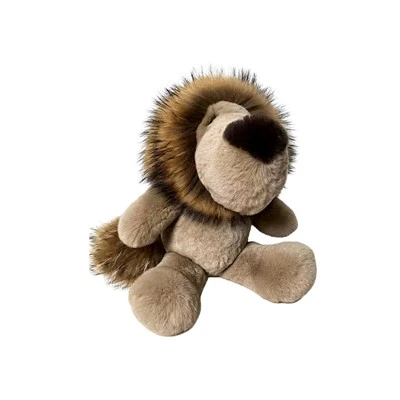
This group doesn’t buy new plush for play—they buy it for emotional continuity. They want toys that mirror the ones they loved as kids, or that connect to a specific life moment: a plush cat for a friend who just lost their own cat, a small plush lion for a graduation gift, a vintage-style reindeer plush as a holiday decoration that feels familiar. We launched a nostalgia line in 2020, with reproductions of 1950s and 1960s teddy bears, and sales for that line have grown steadily every year. In 2023, we partnered with a senior center in Chicago for a holiday drive, donating 200 small vintage-style plush to residents, and many of the staff reported that residents who’d lived through the 1960s would sit and talk for hours about their own childhood toys while holding the new ones. For this age group, plush is a link between their past and present, a small, tangible thing that brings back comfort and joy they haven’t felt in years.
There’s also a cross-cutting theme that ties all these age groups together, and it’s something that suppliers like us have to prioritize: accessibility and personalization. Plush products work for every age because they can be small or large, simple or detailed, functional (for toddlers) or sentimental (for adults), playful (for kids) or calming (for teens). No matter the age, the best plush products meet a specific, unspoken need: for toddlers, safety; for school-age kids, identity; for teens, stress relief; for adults, nostalgia.
I’ve been in the plush products industry for 12 years, and one thing I’ve learned is that no matter how much technology changes—no matter how many video games hit the market, how many new social platforms launch—soft, stitched toys don’t fade. They adapt. A toddler’s security object becomes a teen’s stress toy, which becomes an adult’s nostalgic memento. That’s the power of this category: it’s not just a product line—it’s a companion through life’s small, big, messy moments.
If you’re a retailer, brand, or organization looking to add or expand a plush line that resonates across age groups, we can help you design products tailored to your audience’s specific needs. Our team has worked with schools, boutique stores, and mental health nonprofits to create plush lines that fit every demographic, from toddler-safe security toys to nostalgic adult collectibles. To discuss how plush products can work for your audience, reach out to our team to start a conversation about your needs and goals.
Fur Garments References
Winnicott, D. W. (1953). Transitional objects and transitional phenomena. International Journal of Psychoanalysis
American Psychological Association. (2022). Comfort objects and mental health outcomes in emerging adults
Early Childhood Education Journal. (2018). Color and texture preferences in sensory play for toddlers
Tongxiang Meike Leather Co., Ltd.
As one of the most professional plush products manufacturers and suppliers in China, we have world-leading production equipment and strong manufacturing capabilities. Please rest assured to wholesale bulk plush products in stock here and get quotation from our factory. Customized orders are welcome.
Address: 6th Floor, Building 3, No.258 Hangfu Road, Tongxiang City, Zhejiang Province China
E-mail: 18858375059@163.com
WebSite: https://www.fauxfurmk.com/
