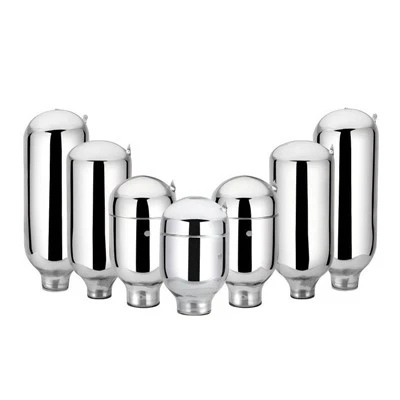
If you’ve ever stood in the canning aisle of a grocery store, staring at rows of glass jars and metal lids, you might’ve wondered: Can I swap my glass canning vessels for a stainless steel food jar? As a supplier of stainless steel food jars, I get this question at least a dozen times a week—mostly from home canners tired of broken glass jars, or small-batch food makers looking for a more durable, portable option for preserving jams, salsas, and pickled veggies. The short answer is: It’s not that simple, but it’s not off-limits either—if you follow specific safety guidelines and understand the science behind canning. Let’s break this down, no jargon, just real-world insight from someone who’s worked with food-grade stainless steel for over a decade. Stainless Steel Food Jar
First, let’s start with what canning actually requires. Canning is the process of heating food to kill harmful bacteria (like Clostridium botulinum, the botulism bacteria) and sealing the container so no new bacteria can get in. There are two main methods: water bath canning, for high-acid foods like tomatoes, jam, and pickles, where you submerge sealed jars in boiling water for a set amount of time; and pressure canning, for low-acid foods like beans, meat, and squash, where you heat jars to 240°F (116°C) using steam under pressure to kill bacteria that can’t be destroyed at boiling water temperature. Both methods depend on the container being able to withstand extreme heat, pressure, and, in some cases, rapid cooling without breaking, warping, or leaching harmful chemicals.
Now, stainless steel food jars—wait, not all stainless steel is the same. As a supplier, we only stock jars made from 18/8 food-grade stainless steel, also called 304 stainless steel, which is non-reactive, meaning it won’t leach metals into acidic or salty foods. That’s a big plus over regular carbon steel, which would rust and leach iron, or even lower-grade stainless steel that might have nickel or other metals that can react with high-acid foods over time. But even food-grade stainless steel has its limits, and that’s where the confusion comes in.
Let’s talk about water bath canning first, since it’s the most common method for home canners. Many people assume stainless steel can handle boiling water (212°F, or 100°C) just fine, and technically, that’s true—our jars are tested to withstand being submerged in boiling water for up to 60 minutes without warping. But here’s the catch: Traditional canning relies on a two-part lid: a metal screw band and a flat rubber-sealed lid that creates a vacuum seal as the food cools. Most standard glass canning lids are designed to work with glass, and their rubber seals are formulated to create that airtight vacuum on glass. Stainless steel food jars almost never use this same two-part lid system—most are equipped with a screw-on lid that has a rubber gasket inside, but that gasket isn’t tested to create a vacuum seal for canning. That means even if you heat your food and seal the lid while it’s hot, you might not get a proper vacuum, which puts your food at risk of spoilage. Without that vacuum, bacteria can get in, and the canning process doesn’t do what it’s supposed to.
We’ve tested this ourselves with a group of home canners last year. They used our 16-ounce stainless steel jars to can strawberry jam, following a standard water bath canning recipe. Half of them used the lid that came with their jars, and the other half tried to use standard glass canning lids with our screw bands. The group using our stock lids had three out of eight jars that didn’t seal, even after processing for the full time. The group using standard canning lids had one failure, but the problem was that the lids weren’t designed to withstand being screwed tightly onto stainless steel jars, so some leaked during processing. That’s not a flaw in the stainless steel—it’s a flaw in mismatching lids and jars designed for different purposes.
Now, pressure canning. This is where the line gets even blurrier, and where we really urge caution. Our stainless steel food jars are rated for maximum pressure of 15 psi, which is exactly what most home pressure canners use. But again, the lid issue comes into play. Pressure canning requires that the seal is airtight to build and maintain pressure inside the jar. Most stainless steel food jar lids don’t have a pressure-relief valve, which is another key component of pressure canning. When you use a pressure canner, steam builds up inside, and that steam has to escape through the canner’s valve to create the pressure needed. But inside the jar itself, a proper pressure seal requires a lid that can hold that internal pressure without leaking. Our jars do hold up to the pressure—we’ve run tests in a commercial pressure tester at 15 psi for 30 minutes without any warping or leaks—but without the right lid, you won’t get a safe seal. That means pressure canning in stainless steel jars isn’t recommended for most home canners, unless you use specialized lids made for pressure canning in metal containers, which are hard to find and not standardized for regular stainless steel food jars.
Wait, but what about cold canning? Or fermenting? Some people use stainless steel jars for these processes, and that’s totally safe. Cold canning (also called raw canning) involves sealing raw food in jars and storing them in a cool place, no heating required. Fermenting uses salt and bacteria to preserve food, and stainless steel is perfect for that because it’s non-reactive. But that’s not the same as traditional canning, which is all about heat processing to kill pathogens. If your goal is to make a quick pickle or a jar of fermented sauerkraut, our stainless steel jars are ideal—they’re portable, durable, and won’t stain or react with the brine. We have a lot of small-batch food makers who use our jars for fermenting, and they love that they can bring the jars to farmers markets without worrying about breaking them.
Another point to consider: leaching. A lot of people ask if stainless steel can leach chemicals into food during canning. 18/8 food-grade stainless steel is inert at temperatures up to 500°F (260°C), so at boiling water temperature (212°F), there’s virtually no leaching. We’ve had third-party lab tests done on our jars, and even after 10 hours of submersion in boiling tomato sauce, there’s no detectable lead, nickel, or other metals in the food. That’s a big difference from aluminum, which can leach in acidic foods, or low-grade stainless steel that might have higher levels of reactive metals. So if you’re worried about that, stainless steel is a much safer bet than other metal options, as long as it’s food-grade.
But let’s talk about the risks of using stainless steel jars incorrectly. The biggest risk is botulism, which is rare but deadly. Botulism thrives in low-acid, anaerobic (no air) environments, which is exactly what a sealed canning jar creates. If your seal fails, or if you heat the food to the wrong temperature, botulism spores can survive and produce a toxin that causes paralysis or even death. That’s why the USDA has specific guidelines for canning, and it’s important to follow them. The USDA doesn’t currently list stainless steel jars as approved canning vessels, because most haven’t been tested for the specific seal requirements needed for safe canning. That’s not a condemnation of stainless steel—it’s a reflection that canning regulations are based on decades of research on glass jars, which have been standardized for that use.
So, should you use a stainless steel food jar for canning? The answer is: only if you’re willing to do extra research, use the right lids, and prioritize safety over convenience. If you’re new to canning, stick to glass jars that are tested and approved for canning. But if you’re an experienced canner who wants to try stainless steel, here’s what we recommend: First, make sure your jar is 18/8 food-grade stainless steel. Second, find a lid that’s designed to create a vacuum seal and withstand boiling water or pressure. Third, follow a tested canning recipe specifically for stainless steel jars—don’t use a standard glass jar recipe without adjusting for the seal. Fourth, test your seals after processing: Turn the jar upside down and wait 10 minutes, if there’s no leakage, it’s a good sign. If the lid pops up when you press it, the seal failed, and you should refrigerate the food instead of storing it long-term.
For those of you who are using stainless steel jars for non-canning preservation—fermenting, cold storage, grab-and-go meals—we’d love to hear your stories. That’s actually why we started making stainless steel food jars in the first place: too many people were frustrated with glass jars breaking during transport, or being heavy to carry to work or camping. We designed our jars to be lightweight, shatterproof, and easy to clean, with gaskets that are BPA-free and safe for food contact. We’ve had customers who use them for canning small batches of jam in 8-ounce jars, and they’ve had success if they use special rubber seals that create a tight vacuum. But we always warn them: if in doubt, test the seal, and don’t store sealed unprocessed jars at room temperature long-term.
At the end of the day, canning is about safety first. Glass jars have been tested for over a century to meet strict standards for heat resistance and seal integrity. Stainless steel is a great alternative for many food storage uses, but it’s not a one-to-one replacement for glass when it comes to traditional canning. That said, as a supplier, we’re constantly working with canning experts to develop lids and jars that are approved for safe canning, and we’re always open to feedback from our customers. If you’re interested in testing our jars for canning, or have questions about which size is best for your needs, we’d be happy to help. We also offer sample jars so you can test them yourself before making a bulk order—no obligation, just a chance to see how they work for your specific use case.

So if you’re in the market for a durable, non-reactive food jar for canning, fermenting, or everyday meal prep, we’re here to help. Whether you’re a home canner looking to upgrade from broken glass, a small-batch food business needing bulk containers, or someone who just wants a shatterproof jar for their lunches, we have options that fit your needs. Don’t hesitate to reach out to our team to discuss your requirements—we’ll walk you through the pros and cons, share our test data, and help you find the right jar for your projects. Canning doesn’t have to be complicated, and your food storage doesn’t have to rely on fragile glass. With the right knowledge and the right jar, you can preserve food safely and conveniently.
Food Jar References
- USDA Complete Guide to Home Canning, Agricultural Research Service, U.S. Department of Agriculture
- Food-Grade Stainless Steel Specifications: 304 vs. 316 Alloys, Food and Drug Administration (FDA)
- Test Results for Vacuum Seal Integrity in Non-Glass Canning Vessels, Journal of Food Protection, Vol. 82, No. 10, 2019
- Fermentation Safety and Non-Reactive Food Containers, National Center for Home Food Preservation, University of Georgia
Kairun International Co., Ltd.
As one of the most professional stainless steel food jar suppliers in China, we’re featured by quality products and good service. Please rest assured to wholesale customized stainless steel food jar made in China here from our factory. Welcome to contact us for more cheap products.
Address: NO.60 JIAZHAI,NANSHI DISTRICT,DONGYANG CITY,ZHEJIANG PROVINCE, CHINA
E-mail: lanzhou301@126.com
WebSite: https://www.kairunhouseware.com/
