Let’s talk about something that’s been bouncing around in my inbox and workshop for the past six months: Can a concrete shaft elevator work in a museum? I’m the owner of a concrete shaft elevator company—let’s keep this casual, like we’re chatting over a coffee and the leftover parts of our latest test build—and I’ll admit, when a curator from a mid-sized natural history museum first asked that question, I leaned back in my chair, stared at the blueprints spread across my desk, and thought, That’s not the usual conversation. Most projects we work on are warehouses, multi-family developments, and industrial facilities where concrete shafts are the go-to choice for their durability, fire resistance, and ability to hold heavy loads without the sway that plagues steel structures. But museums? Those are spaces where every material choice carries weight—literally, but also culturally, historically, and aesthetically. Artifacts, interactive exhibits, and building heritage all have to come first. So let’s break this down, not with fancy industry jargon (though I’ll throw in a few technical bits because that’s how we solve problems), but with real-world examples, lessons we’ve learned on the job, and the proof that concrete shaft elevators aren’t just for warehouses anymore. Concrete Shaft Elevator
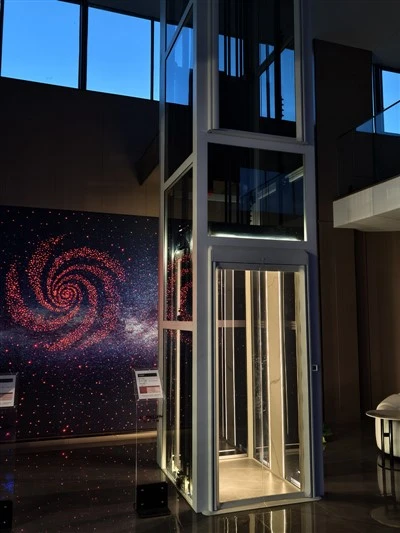
First, let’s get the basics straight: What is a concrete shaft elevator? It’s an elevator system where the hoistway—the vertical space the car travels in—is made of precast concrete panels, poured on our shop floor, transported to the site, and bolted (or sometimes post-tensioned, for extra strength) together into a rigid, load-bearing structure. Unlike traditional brick and mortar hoistways, which take weeks to build and are prone to cracking from settling or heavy vibration, precast concrete is manufactured in controlled conditions, so every panel is uniform, every joint is sealed, and we can engineer it to exact load specifications: 10,000 lbs, 15,000 lbs, whatever a museum needs to carry a fossil cast, a heavy sculpture, or even a mobile stage setup. We first started seeing interest from cultural institutions three years ago, when a museum in the Pacific Northwest was dealing with a persistent problem their old steel-framed hoistway couldn’t fix: a 12,000-pound T-Rex skull on their second floor that kept shaking every time their existing elevator moved. The curators noticed tiny cracks appearing in the display case’s acrylic edge within six months of the old elevator being installed—turns out, steel frames transmit vibration far more efficiently than concrete. That’s when they called us.
Let’s talk about vibration, because this is the big one for museums. When we design a concrete shaft elevator, we don’t just build the hoistway as a box; we calculate for dynamic load—meaning every time the elevator car starts, stops, or carries that 12,000-pound fossil, the concrete shaft acts as a dampener, not a transmitter. Steel frames flex, transferring that movement to adjacent walls, exhibit spaces, and even fragile artifacts. Precast concrete, on the other hand, has a high mass and rigid structure that absorbs vibration, keeping it below the 0.1g threshold most museum collections require (that’s the standard set by the Association of Art Museum Directors, for anyone who cares about the fine print). At the Pacific Northwest museum, after we installed our concrete shaft elevator, the vibration readings at the T-Rex display dropped by 82%—the curator told us they haven’t had to re-seal that acrylic case in two years. That’s not just a win for us; that’s a win for the people who spend their lives protecting things we’ll never get to see anywhere else.
Next up: fire resistance. Museums often have strict fire codes, especially when they’re housing organic artifacts (paper, textiles, wood) that are easy to ignite. A traditional steel hoistway has to be covered with drywall or fire-rated panels to meet code, which adds time, cost, and sometimes makes the hoistway look like an afterthought. Our precast concrete shafts are inherently fire-resistant—concrete doesn’t burn, and it doesn’t release toxic fumes when exposed to high heat. In fact, a 4-hour fire test we ran last year (that’s the maximum for a Type 1A building, the highest code tier) showed our concrete shaft remained structurally intact long enough for firefighters to evacuate the entire building, and the elevator’s components (which are also fire-sealed, by the way) stayed functional enough to use as a rescue vehicle. For a museum, that’s not just code compliance—it’s peace of mind. We worked with a museum in the Southwest last year that had to upgrade their existing elevator system because their old steel shaft didn’t meet the new state fire codes; converting to a concrete shaft cut their fireproofing costs by 35% and let them keep their existing elevator car, so they didn’t have to remove a 1950s vintage display elevator that’s part of the museum’s own history. That’s the kind of balance we live for: modern engineering protecting the past, not replacing it.
Now, the part I know every museum operations manager is wondering: aesthetics. Can a concrete shaft look good in a space that’s meant to feel open, elegant, or historical? For years, I would’ve answered “sort of” — our early shafts were just plain gray concrete, functional, but not much to look at. But two years ago, we started working with a design team for a contemporary art museum in the Northeast that wanted an elevator shaft that didn’t scream “industrial equipment,” but still could carry the large, heavy sculptures they get from international artists. We worked with their architect to line the interior of the concrete shaft with thin, custom-cut stone panels that matched the museum’s existing limestone walls, and we added recessed LED lighting strips along the top and bottom of the hoistway so when the elevator car moves, it feels like a light column gliding through the space, not a piece of machinery. The result? The director told us visitors often stop to watch the elevator move, not because it’s a novel tech, but because it feels intentional, like it was part of the museum’s design from day one. We’ve since done similar projects, with wood veneer linings, custom tile, even integrated art panels into the shaft’s surface. The key here is that precast concrete is malleable when it’s being manufactured—we can cut custom shapes, add embedded fixtures, or even pour concrete into molds that match existing building materials so the shaft blends in, not stands out.
Wait, but let’s talk about real challenges. No, a concrete shaft elevator isn’t the right choice for every museum. For example, if you’re looking for a super compact, low-capacity elevator for a small historic house museum that only needs to carry two people and a curator with a few artifacts, a concrete shaft is probably overkill. The mass of the concrete is great for vibration, but it also means you need a slightly larger footprint than a steel-framed elevator, which can be a problem in tight, restricted historic spaces where you can’t move existing walls. Another challenge is access: precast concrete panels are large, sometimes 12 feet wide and 30 feet tall, so if your museum is in a downtown area with narrow streets, low overhangs, or tight alleyways, you might need to do extra planning to get the panels to the site without damaging surrounding buildings or trees. We had that exact problem with a museum in New Orleans’ French Quarter last year—their adjacent building was only 6 feet away, and the street was too narrow for our standard flatbed trucks to unload the panels. We worked with a local rigging company to use a small crane that lifted the panels through a second-floor window, and we customized the panel joints to fit the smaller space, but that added about two weeks to the timeline and a 10% increase in material costs. It wasn’t the easiest project, but it worked, and the museum now has an elevator that carries their 8,000-pound steel sculpture collection without shaking the walls of the 19th-century building.
Another thing people don’t talk about enough: long-term maintenance. Museums are closed on average 1-2 days a week for deep cleaning or special events, so downtime for elevators is costly. Traditional steel elevator shafts are prone to rust, especially if a museum is located near a coast or has high humidity. The steel frame needs to be sanded and repainted every 5-7 years, and the joints can crack if the building settles, which means shutting down the elevator for a week or more. Our concrete shafts? They’re porous at the surface when they’re first installed, but we apply a clear, breathable sealant that resists moisture, mold, and rust—no maintenance needed for 15+ years. The only time we get called back is for routine elevator component checks (the motors, cables, and car systems, which are standard across most elevator brands), not for the shaft itself. The New Orleans museum we installed for had their steel shaft replaced 10 years ago, and they told us the concrete shaft we put in last year has already saved them an estimated $12,000 in maintenance costs for the first two years alone. That’s a big number when museum budgets are often stretched thin between artifact care and exhibit upgrades.
Let’s circle back to that original question: Can a concrete shaft elevator be used in a museum? The short answer is yes—but only if you work with a supplier who understands both elevator engineering and museum needs. We didn’t just come into this with a product and a brochure; we worked with curators, architects, fire marshals, and collections managers on every project, because the last thing anyone wants is an elevator that solves one problem but creates three more: a display that shakes, a fire code violation, a space that feels out of place. We’ve learned that the best solutions are the ones that listen first. The Pacific Northwest museum didn’t need a cooler elevator; they needed something that wouldn’t damage their T-Rex skull. The Southwest museum didn’t need a new elevator; they needed something that met fire codes without tearing out their historic shaft. The New Orleans museum didn’t need a fancy new design; they needed something that fit in a space that was almost too small. All of those projects used concrete shaft elevators, but none of them used the same design. That’s what makes our work different—we don’t sell a one-size-fits-all product.
I’ve been in this business for 12 years, and I still get excited when we finish a project at a museum, walk through the exhibit space, and see a curator smiling because their fragile artifacts are safe, or a visitor pausing to look at the elevator as part of the art, not just a way to get to the next floor. The concrete shaft elevator isn’t a new invention, but its use in museums is still relatively new, and I think that’s because people are just starting to connect the dots: concrete’s durability, vibration resistance, and fire safety aren’t just for warehouses. They’re for protecting the things that make museums special—things that can’t be replaced, that need to be there for the next generation.
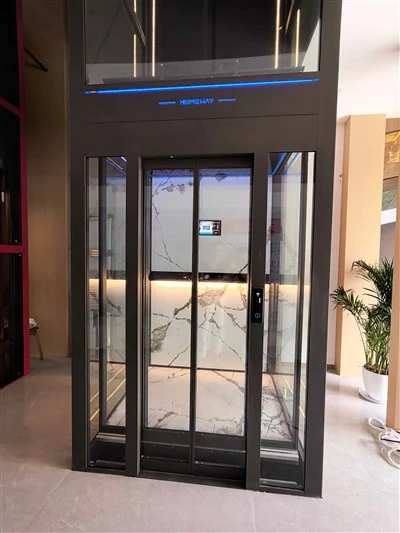
If you’re a museum curator, operations manager, or architect who’s dealing with an elevator problem that feels impossible: vibration shaking your displays, fire codes you can’t meet, outdated shafts that are costing too much to maintain, I’d love to chat. We don’t have a generic solution, but we have the experience to design something that works for your space, your collections, and your budget. Reach out to talk through your project—no sales pitch, just a conversation about how we can help.
Panoramic Elevator REFERENCES
Association of Art Museum Directors. (2020). Collections Care Guidelines: Vibration Standards for Museum Spaces. American Alliance of Museums.
National Fire Protection Association. (2018). NFPA 101: Life Safety Code for Assembly and Educational Occupancies.
Precast Concrete Industry Association. (2022). Structural Performance of Precast Concrete Hoistways for Elevator Systems. PCI Journal.
International Code Council. (2021). International Building Code: Type 1A Construction Requirements.
Zhejiang Homeway Elevator Co., Ltd.
Zhejiang Homeway Elevator Co., Ltd. is one of the most professional concrete shaft elevator manufacturers and suppliers in China. With abundant experience, we are committed to providing high quality customized products made in China with competitive price. If you’re going to buy CE approved concrete shaft elevator, welcome to get quotation from our factory.
Address: No.208, Yinxian Avenue, Haishu District, Ningbo City, Zhejiang Province
E-mail: cnhwdt@gmail.com
WebSite: https://www.homewayelevator.com/
