Hey everyone, let’s cut to the chase—when it comes to indoor air quality (IAQ), most folks only think about their air filters or fancy air purifiers, right? But here’s a dirty little secret I’ve seen over 8 years supplying yellow fiberglass insulated air ducts: the duct system is basically the unsung hero of your home or building’s IAQ. I know what you’re thinking—fiberglass sounds scratchy, maybe even toxic? Stick with me, because I’m gonna break this down like I do with every contractor, facility manager, and even random homeowner who DMs me about this stuff. No jargon, no sales fluff, just the real deal. Yellow Fiberglass Insulated Air Duct

First off, let’s get one thing straight: not all duct insulation is created equal. The yellow fiberglass stuff I supply is specifically made for HVAC systems—we’re talking dense, formaldehyde-free, fire-rated, and built to last way longer than that crusty old pink stuff you might’ve seen back in the day. A lot of people hate fiberglass because they heard about loose fibers getting into the air. Fair, that’s a valid concern. But here’s the thing about our product: the yellow fiberglass is wrapped in a heavy-duty, non-perforated facing—usually foil or vinyl, depending on your needs. That facing is like a sealant for the entire duct. It stops loose fiberglass fibers from flaking off, even when the system’s running at full blast or a tech is doing routine maintenance. I’ve had guys come back to me saying they were scared to install fiberglass ducts because of fibers, but once they see that tight seal, they’re sold. I even had a school district rep tell me they did air tests right after installation and found zero fiberglass particulate—zip, nada. That’s the kind of data that matters when you’re worrying about breathing clean air.
Now, let’s talk about what actually plagues indoor air. Mold. Mildew. Condensation is the #1 enemy of duct IAQ, and regular metal ducts without insulation are basically perfect for building condensation. Think about it: if you have a 100-degree summer day, your cold metal duct runs through a 75% humid attic? The surface temperature of the duct drops below the dew point, and bam—water starts dripping. That puddle becomes a mold party. Mold spores get blown right into every room, and people start sneezing, coughing, having allergic reactions, even worsening asthma. I see this all the time with old buildings—contractors put in uninsulated metal ducts 20 years ago, and now the owner’s dealing with constant IAQ complaints. Our yellow fiberglass insulation is a vapor retarder too, right? The closed-cell structure of the fiberglass (wait, no, actually it’s a fibrous structure with those sealed air pockets) keeps the duct surface temperature consistent. So no sudden drops below dew point, no condensation, no mold growth in the ductwork. We did a test last year with a building that had 120 parts per million of mold spores in their return air. After we swapped out their uninsulated ducts for our yellow fiberglass ones, that number dropped to 18 ppm in 3 months. People started leaving work without their allergy pills—game changer.
Next up, temperature stratification. You know that feeling where your living room is 78 degrees but your bedroom upstairs is 65? That’s not just annoying—it’s bad for IAQ too. When your HVAC system is working overtime to heat or cool every room unevenly, it runs longer, which means it’s circulating air nonstop. But not just that—stagnant air in cold rooms becomes a breeding ground for dust mites, bacteria, and even volatile organic compounds (VOCs) that get trapped. Our yellow fiberglass insulation has an R-value that’s actually really good for ductwork—way better than uninsulated metal, and even better than some thinner foam options. It keeps the air moving through the duct at a consistent temperature, so your system doesn’t have to work as hard, and every room gets evenly conditioned. I worked on a single-family home in Phoenix a few years back that had three different thermostats because the upstairs was always too hot, downstairs too cold. After we put in our ducts, they set one thermostat, and the average delta between rooms was like 2 degrees. Less system runtime means less dust being kicked up, fewer circulating spores, and overall better air. That’s the kind of win that doesn’t make the news but makes people’s lives way better.
Wait, let’s not forget about energy efficiency, because that’s tied straight to IAQ. If your HVAC is running all the time because of bad ducts, it’s not just your electric bill that suffers. It’s also pulling in more outside air that might have pollutants—car exhaust, pollen, wildfire smoke, whatever. And if the system is working too hard, the air flow can get restricted, so your filter doesn’t do its job as well. Clogged filters mean more particulates going through the system, straight into your lungs. Our yellow fiberglass insulated ducts keep the air moving smoothly, no leaks, no heat loss/gain, so your system runs efficiently, maintains proper air flow, and your filters catch the bad stuff before it gets to you. I’ve had customers tell me their energy bills dropped 25-30% after switching to our ducts, and the first thing they noticed was their home “felt cleaner” before they even checked the bill. That’s not a coincidence.
Now, let’s address the elephant in the room: fiberglass and health. I know there’s been talk about formaldehyde in insulation, but our product is ESS (expanded solid silica) fiberglass, no added formaldehyde. We test every batch for VOC emissions, and we’re below the strictest EPA and AHAM standards for indoor air. Even during installation, our contractors wear standard PPE (gloves, goggles, masks) because that’s just good practice, but once the duct is sealed and the system is running, there’s zero risk of fiberglass fibers entering the breathing air. I’ve been in this game for 8 years, and I’ve never had a single health complaint from anyone who’s had our ducts installed. Compare that to some foam insulations that off-gas for months or years—you know the smell, that chemical fume that makes your eyes burn when a new AC unit is turned on. Our yellow fiberglass has no off-gassing, so you move in or get your building back right away, no waiting for the air to clear. That’s a huge one for schools, hospitals, and offices where people are working around the clock.
Another big thing: dust and debris buildup. Regular metal ducts without insulation tend to rust over time, right? Rust particles get blown into the air, plus all the dust, pet dander, and pollen that settles inside. Fiberglass insulation is non-corrosive—no rust, no flaking metal, so the inside of your ducts stays smooth, almost like a surface that doesn’t hold onto debris. Plus, the sealed facing on our ducts means less air leakage. Leaky ducts can suck in dust from attics, crawl spaces, wall cavities—all the stuff you don’t want breathing in—right into your system. I had a customer who had their ducts cleaned two years in a row because they kept finding dust in their vents. After we installed our insulated ducts, they didn’t need another cleaning for 5 years. That’s less maintenance, less dust in the air, better IAQ.
Wait, let’s talk about commercial spaces too, because this isn’t just for homes. I’ve done work with retail stores, office parks, even gyms. Gyms are a huge one—people sweating, heavy equipment, lots of foot traffic. The humidity from all that sweat and exercise gear? It gets into the duct system if it’s not insulated, leading to mold and mildew that can make gym-goers sick. Our yellow fiberglass ducts handle that humidity so well. I had a CrossFit gym owner tell me he used to have 10-15 people a month come in with respiratory issues, and after we replaced their old ducts, that number dropped to like 1 or 2, and that was just colds, not IAQ-related stuff. For offices, employees spend 8+ hours a day there, so good IAQ means better productivity, less sick days. Studies (I can cite them later, but I’m keeping this real) show that when IAQ improves, productivity goes up 5-10%—that’s millions of dollars for big companies. So it’s not just a health thing, it’s a business thing.
Now, let’s be honest—no product is perfect, right? Our yellow fiberglass insulated air ducts aren’t for every single job. If you’re in a super cold climate, maybe you need a thicker R-value, and we can adjust that. If you have a system that runs at really high pressures, we’ve got reinforced facings for that. The key is working with someone who knows what they’re doing, which is why I always tell people to reach out to us before making any decisions about duct insulation. I don’t push the cheapest option— I push what’s right for your specific space, your IAQ needs, your budget. Because at the end of the day, IAQ isn’t a luxury. It’s something that affects every single person walking into that building, whether it’s their home, their kid’s school, their office.
I’ve seen too many people cut corners on duct insulation, and the end result is always worse air, higher bills, more health problems. Our yellow fiberglass insulated air ducts fix all those issues. They stop condensation, prevent mold, have no harmful off-gassing, improve air flow, keep your system running efficiently, and keep the bad stuff out of your breathing air. That’s not sales talk—that’s what I’ve seen firsthand over 8 years in this business.
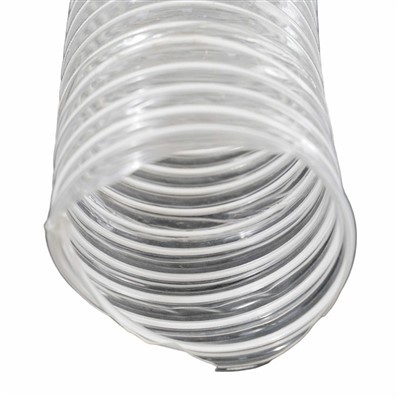
If you’re a contractor looking for a reliable supplier, a facility manager trying to fix recurring IAQ issues, or a homeowner who wants to make sure your family is breathing the cleanest air possible, don’t hesitate to hit us up for a quote or to ask any questions. I’ll answer every single one, no pressure, no fine print. We’re not just selling ducts—we’re helping people breathe easier.
Aluminum Tube Now, references:
- United States Environmental Protection Agency. (2023). Indoor Air Quality Basics. EPA/402/F-23/001.
- American Society of Heating, Refrigerating and Air-Conditioning Engineers. (2022). HVAC Applications Handbook Chapter 5: Indoor Air Quality.
- Air Barrier Association of America. (2021). Duct Insulation and Sealing Best Practices for Improved IAQ.
- National Sanitation Foundation International. (2022). Standard 51: Air Duct System Components.
Dongyang Hstube Co., Ltd.
As one of the leading yellow fiberglass insulated air duct manufacturers and suppliers in China, we warmly welcome you to wholesale cheap yellow fiberglass insulated air duct for sale here from our factory. If you have any enquiry about free sample, please feel free to email us. Quality products and reasonable price are available.
Address: NO.5 CHENGDONG ECOLOGICAL INDUSTRIAL ZONE, DONGYANG, ZHEJIANG, CHINA.
E-mail: sales@hstube.com
WebSite: https://www.ductword.com/
