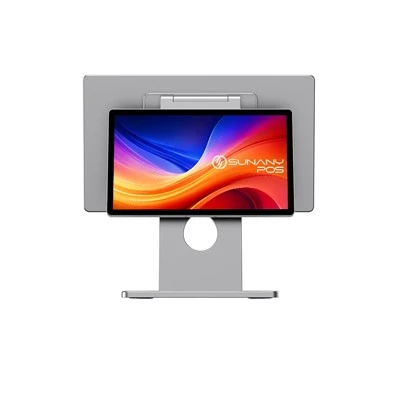
Hey there! As a supplier of desktop touch monitors, I often get asked, "What’s the pixel density of a good desktop touch monitor?" Well, let’s dive right into this topic and break it down in a simple way. Desktop Touch Monitor
Understanding Pixel Density
First off, what exactly is pixel density? Pixel density is all about how many pixels are packed into a specific area of the monitor screen. It’s usually measured in pixels per inch (PPI). Think of pixels as those tiny little dots that make up the images you see on your monitor. The higher the pixel density, the more detailed and sharp the images will look.
When you’re dealing with a desktop touch monitor, pixel density plays a huge role in your overall user experience. If you’ve got a low pixel density, things like text might look blurry, and images won’t be as crisp. On the flip side, a high pixel density can make your work look professional and your entertainment look amazing.
Factors Affecting the Ideal Pixel Density
Now, the ideal pixel density for a desktop touch monitor isn’t a one – size – fits – all number. There are a few factors that come into play.
Screen Size
One of the biggest factors is the size of the monitor. For example, a 21 – inch monitor and a 32 – inch monitor will have different ideal pixel densities. A smaller monitor can get away with a lower pixel density because you’re generally sitting closer to it, and your eyes don’t have to take in as much area at once.
Let’s say you’ve got a 21 – inch monitor. A pixel density of around 90 – 120 PPI can give you a pretty good visual experience. You’ll be able to read text clearly and view images without too much blurriness. But if you go for a larger 32 – inch monitor, you’ll want a higher pixel density, probably around 130 – 160 PPI or even more. Otherwise, the large screen will make everything look a bit pixelated.
Usage
What you’re using the monitor for also matters a lot. If you’re a graphic designer or a video editor, you’ll need a much higher pixel density. These professionals work with high – resolution images and videos, and a low pixel density just won’t cut it. For them, a pixel density of 200 PPI or more is ideal. This allows them to see every little detail in their work, which is crucial for creating high – quality designs and edits.
On the other hand, if you’re just using the monitor for general web browsing, checking emails, and watching the occasional video, you can get by with a lower pixel density. A pixel density in the range of 100 – 150 PPI should be sufficient for these basic tasks.
Recommended Pixel Densities for Different Users
Let’s talk about specific numbers for different types of users.
Home Users
For the average home user, a desktop touch monitor in the 24 – to 27 – inch range is quite popular. For a 24 – inch monitor, a pixel density of around 110 – 120 PPI is great. It gives you sharp text and clear images, making it perfect for things like streaming movies, playing casual games, or just using social media.
If you go up to a 27 – inch monitor, you’ll want a pixel density of about 130 – 140 PPI. This ensures that the larger screen doesn’t make everything look too big and pixelated. With this pixel density, you can still enjoy a great visual experience whether you’re working on a home project or relaxing with some entertainment.
Office Workers
In an office setting, where you’re mainly dealing with text and documents, a pixel density of around 100 – 120 PPI on a 21.5 – to 24 – inch monitor is usually sufficient. This makes reading and working on spreadsheets, word documents, and presentations easy on the eyes. You don’t need an extremely high pixel density for these tasks, as long as the text is clear and legible.
However, if you’re in an office where you also deal with some light graphic work or need to view high – resolution images occasionally, you might want to consider a monitor with a pixel density of 130 – 150 PPI. This will give you the flexibility to handle different types of tasks without sacrificing visual quality.
Professional Creatives
As I mentioned earlier, graphic designers, photographers, and video editors need the highest pixel densities. For a 27 – to 32 – inch monitor, a pixel density of 200 PPI or higher is a must. This level of pixel density allows them to see the fine details in their work, such as the texture of a photo, the colors in a graphic, or the quality of a video.
With a high – pixel – density monitor, these professionals can make more accurate decisions about their work. They can spot small imperfections and make adjustments that would be impossible to see on a monitor with a lower pixel density.
How Our Desktop Touch Monitors Stack Up
As a supplier of desktop touch monitors, we offer a wide range of products to meet the needs of different users. We’ve got monitors with various screen sizes and pixel densities, so no matter what your requirements are, we’ve got you covered.
For our home users, we have 24 – inch monitors with a pixel density of around 115 PPI. These monitors are perfect for everyday use and offer a great balance between affordability and visual quality.
Our office – oriented monitors, in the 21.5 – to 24 – inch range, have a pixel density of 110 – 120 PPI. They’re designed to make your work easy and comfortable, with clear text and sharp graphics.
And for our professional creative customers, we offer 27 – and 32 – inch monitors with pixel densities of 220 PPI and above. These monitors are top – of – the – line, providing the high – resolution visuals that creatives need to produce their best work.
Why Choose Our Monitors?
There are a few reasons why you should consider our desktop touch monitors. First of all, we focus on quality. We use the best materials and the latest technology to ensure that our monitors have a high pixel density and excellent overall performance.
Secondly, our monitors are very user – friendly. They have touch – screen capabilities, which makes it easy to interact with your computer. Whether you’re navigating through a website, editing a document, or playing a game, the touch – screen feature adds a whole new level of convenience.
Finally, we offer great customer support. If you have any questions about our monitors, or if you encounter any problems, our team is always ready to help. We want to make sure that you’re satisfied with your purchase and that you get the most out of your desktop touch monitor.
Let’s Talk Business
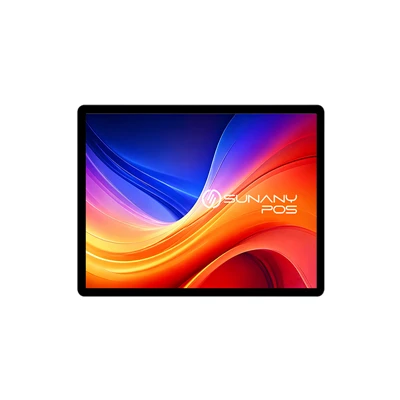
If you’re in the market for a desktop touch monitor, I’d love to talk to you. Whether you’re a home user, an office worker, or a professional creative, we’ve got the right monitor for you. We can discuss your specific needs, and I can help you choose the monitor with the perfect pixel density for your situation.
POS System Don’t hesitate to reach out if you’re interested in learning more about our products or if you’re ready to make a purchase. We can have a chat about pricing, features, and any other details you might want to know. Let’s work together to find the best desktop touch monitor for you.
References
- "Display Technology: Fundamentals and Applications" by John P. Firth
- "The Handbook of Visual Display Technology" edited by Klaus – Peter Zahedi
Shenzhen Sunany Technology Limited
Shenzhen Sunany Technology Limited is one of the most professional desktop touch monitor manufacturers and suppliers in China, featured by quality products and good price. Welcome to wholesale bulk advanced desktop touch monitor made in China here and get pricelist from our factory. Contact us for customized service and OEM service.
Address: 7F, Building 2, Pingji Avenue No.13, Longgang, Shenzhen, China.
E-mail: info@sunany.com
WebSite: https://www.sunanypos.com/
