Hey there! I’m a supplier of metal nuts, and today, I wanna talk to you guys about the difference between a winged nut and a regular nut. Metal Nut

Let’s start with the basics. You’re probably familiar with regular nuts. They’re those little hexagonal things that you screw onto a bolt to hold stuff together. They’ve been around for ages and are used in all sorts of applications, from building furniture to assembling machinery. I mean, if you’ve ever put together a piece of IKEA furniture, you’ve definitely used regular nuts.
On the other hand, winged nuts are a bit more specialized. They’ve got these wings on the sides, which is where they get their name. The wings make them super easy to tighten and loosen by hand, without the need for any tools. This makes them really convenient for applications where you need to make frequent adjustments or where using tools isn’t practical.
Design and Structure
The most obvious difference between winged nuts and regular nuts is their design. Regular nuts are typically hexagonal in shape, which allows them to be turned with a wrench or a socket. This design provides a good amount of torque, which is important for applications where you need a strong, secure connection.
Winged nuts, as I mentioned earlier, have wings on the sides. These wings are usually flat and protrude from the body of the nut. They’re designed to be gripped by your fingers, so you can turn the nut without any tools. The shape of the wings can vary depending on the type of winged nut, but they’re generally designed to provide a good amount of leverage.
Another difference in design is the threading. Both regular nuts and winged nuts have internal threads that match the threads on a bolt. However, the thread pitch and size can vary depending on the application. For example, in fine – threaded applications, you’ll need a nut with a smaller thread pitch to ensure a tight fit.
Ease of Use
One of the biggest advantages of winged nuts is how easy they are to use. You don’t need any special tools to tighten or loosen them. All you have to do is grab the wings with your fingers and turn. This is a huge time – saver, especially when you’re working on a project where you need to make frequent adjustments.
For instance, if you’re working on a DIY project and need to adjust the tension on a wire or a rod, a winged nut is the way to go. You can quickly tighten or loosen it to get the perfect tension without having to search for a wrench.
Regular nuts, on the other hand, require tools. You need a wrench or a socket that fits the size of the nut. While using tools gives you more torque and a stronger connection, it also takes more time. You have to find the right tool, fit it onto the nut, and then turn it. This can be a hassle, especially if you’re in a hurry or working in a tight space.
Applications
The applications of regular nuts and winged nuts are quite different. Regular nuts are used in a wide variety of applications where a strong, permanent connection is required. For example, in construction, regular nuts are used to hold steel beams together. They’re also used in automotive engines to secure various components.
Winged nuts are more commonly used in applications where you need to make frequent adjustments or where quick access is required. In electrical enclosures, winged nuts are used to secure covers. This allows technicians to easily remove the covers for maintenance or repairs without having to use tools.
They’re also popular in the furniture industry. For example, in some adjustable chairs or tables, winged nuts are used to adjust the height or angle. This makes it easy for the user to customize the furniture to their needs.
Strength and Durability
When it comes to strength and durability, regular nuts usually have the upper hand. Because they’re tightened with a tool, they can be torqued to a specific value, which ensures a strong and secure connection. This is important in applications where the joint will be subjected to high loads or vibrations.
Winged nuts, while they can provide a decent amount of holding force, may not be as strong as regular nuts in high – stress applications. The fact that they’re tightened by hand means that the amount of torque applied can vary from person to person. However, in low – stress applications, winged nuts are more than sufficient.
Cost
Cost is another factor to consider. Regular nuts are generally cheaper to produce. They’re mass – produced in large quantities, and the manufacturing process is relatively simple. This makes them a cost – effective option for most applications.
Winged nuts, on the other hand, are a bit more expensive. The additional wings add to the complexity of the manufacturing process, which increases the cost. However, the convenience they offer can often justify the higher price, especially in applications where time is of the essence.
Material Considerations
Both regular nuts and winged nuts can be made from a variety of materials. The most common materials include steel, stainless steel, brass, and nylon.
Steel nuts are strong and durable, making them suitable for heavy – duty applications. Stainless steel nuts are resistant to corrosion, which makes them ideal for outdoor or wet environments. Brass nuts are often used in electrical applications because they’re good conductors of electricity. Nylon nuts are lightweight and have good vibration – damping properties, which makes them useful in some automotive and electronic applications.
As a metal nut supplier, I can tell you that the choice of material depends on the specific application. If you’re working in a corrosive environment, stainless steel is the way to go. If you need a nut that’s good for electrical conductivity, brass is a better option.
Well, that’s a pretty comprehensive look at the differences between winged nuts and regular nuts. As a supplier, I’ve got a wide range of both types of nuts in various materials and sizes. Whether you’re a DIY enthusiast working on a small project or a professional in the construction or manufacturing industry, I’ve got the right nuts for you.
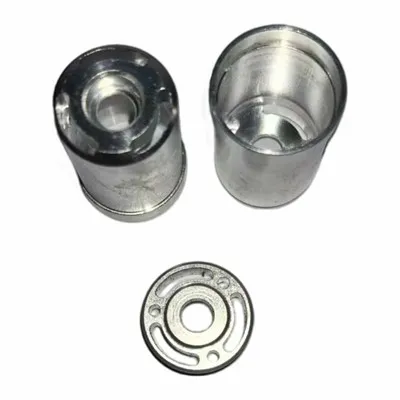
If you’re interested in purchasing metal nuts for your next project, don’t hesitate to reach out. I’d be more than happy to discuss your requirements, provide samples if needed, and offer competitive pricing. Let’s get your project off to the right start with the perfect nuts!
Shaft References
- Machinery’s Handbook, 31st Edition
- Fastener Technology Handbook
- ASME B1.1 – 2019 Standard for Unified Inch Screw Threads
Kunshan Haizhijie Precision Hardware Co., Ltd.
As one of the most professional metal nut manufacturers and suppliers in China, we’re featured by quality products and good price. Please rest assured to buy customized metal nut made in China here from our factory. Also, pricelist is available.
Address: No. 367, Kangzhuang Road, Zhou City Town, Kunshan City, Jiangsu Province, China
E-mail: wzhshui@sina.com
WebSite: https://www.hzhjmetal.com/
