Alright, let’s cut to the chase: if you’ve ever spilled motor oil on your work jeans, tomato sauce on a white tablecloth, or even greasy takeout on your nice jacket, you’ve probably stared at the stain and wondered—“Will that stuff I use for laundry (wait, no, soaping agents) actually get this out?” As a soaping agent supplier, I get this question all the time, from small café owners scouring grease off their aprons to people like my neighbor who swears by “magic” for every stain. Let’s break this down straight, no fancy science jargon that’ll make your eyes glaze over. Soaping Agent
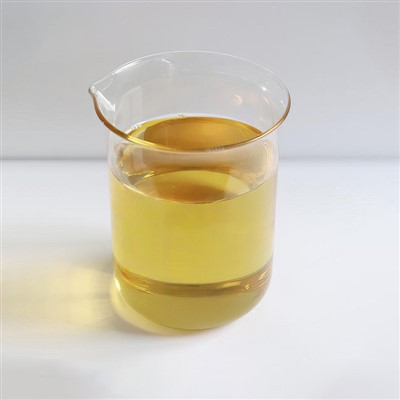
First, let’s make sure we’re on the same page about what a soaping agent even is—because a lot of folks mix this up with dish soap or laundry detergent, and those aren’t the same, trust me. A soaping agent (sometimes just called a “soap” in industry terms, but not the bar you use in the shower) is a surfactant, right? Wait, no—actually, it’s a specific type of surfactant that’s designed to bind to oily, non-polar gunk and water, so you can rinse it all away. Unlike regular laundry detergent, which has extra stuff for brightening or fabric softening, we make our soaping agents for one main job: breaking oil’s hold on fabric. That’s key here.
So back to the big question: Can they remove oil stains? Short answer: Yes—but only if you use them correctly. Let’s get into why oil is such a pain in the first place. Oil hates water, right? That’s why you see oil float on top of salad dressing, or why a drop of oil on your shirt just sits there instead of mixing with the water in your washer. That’s called “hydrophobicity”—oil doesn’t interact with water molecules, so when you try to wash a grease stain with just water and regular soap, the oil still clings to the fabric fibers. A soaping agent fixes that because it has two ends: one that loves oil (non-polar, we call that the “hydrophobic tail”) and one that loves water (polar, the “hydrophilic head”). When you apply a soaping agent to an oil stain, the tails stick into the oil, and the heads stick out toward the water around it. Agitate it a little (rubbing the fabric together, or a wash cycle) and the oil gets lifted off the fabric, trapped inside little micelles (tiny bubble-like structures) that rinse away easily. That’s the science in plain English—no stuffy textbooks here.
Now, let’s talk about when it works, and when it might not—because I don’t want to oversell it, and you don’t want to waste money on something that doesn’t do the job. First, fresh oil stains are way easier than set-in ones. If you spill cooking oil on your t-shirt right now, blot up the excess with a paper towel first (don’t rub—rubbing pushes it deeper into the fibers), then dab a little soaping agent on the spot, rub it between your fingers for 10 seconds, toss it in the wash with warm water (warm helps activate the soaping agent better than cold), and boom—stain is gone. I’ve seen this work on everything from engine oil on coveralls to butter on a silk scarf (yes, even delicate fabrics, as long you use the right concentration). The problem is when oil has been sitting there for days. Those old stains have had time to oxidize—they react with oxygen in the air, turn into a sticky, hard-to-break compound. A good soaping agent can still tackle that, but you might need to let it sit for 30 minutes instead of just a quick rub, or use a little extra.
Wait, but what about different types of fabrics? I get that question all the time, too. For cotton or polyester, soaping agents work like a charm—those are the most common, and their fibers are open enough to let the micelles get in and lift the oil. For synthetic fabrics like nylon or spandex, same thing, just don’t use super hot water if it’s stretchy—heat can damage it, so warm is better. Delicates like silk or wool? Hold up—our soaping agents are pH-balanced, so they’re gentle, but you still need to dilute them first, and don’t agitate too hard. I had a customer last month who used our agent to get a salad oil stain out of her wedding silk sash, and she sent me a photo—you couldn’t even tell there’d been a stain. So that’s doable, as long as you follow the label tips (we include those with every bulk order, by the way—no fine print).
Now, the myths I hear all the time: “Soaping agents will fade my colors.” Nope, not if you use the right one, and not if you don’t overdo it. Our soaping agents don’t have bleach or optical brighteners, which is what makes colors fade. That’s a big selling point for people with nice clothes or vintage fabrics. Another myth: “Dish soap is the same as a soaping agent.” No way. I’ve tested this myself—dish soap has extra moisturizers and fragrances that can leave a residue on fabric, and it’s not formulated to break down heavy, set-in oil like our product. I once had a restaurant manager who was using Dawn to clean their kitchen aprons, and the stains were still there, plus the aprons felt grimy after a while. Switched to our soaping agent, and he told me within a week the aprons were cleaner, and his waitstaff had less stains on their uniforms. That’s real feedback, not made-up marketing.
Let’s talk about real-world use cases, because that’s what matters. A lot of our customers are small businesses: auto repair shops, restaurants, cleaning services. Auto shops have workers coming in with oil and grease on their coveralls—our soaping agent is a go-to for pre-treating those before washing, because regular laundry detergent can’t get that deep grime out. Restaurants deal with grease from fries, burgers, sauces—their linens and aprons get caked with that stuff, and our agent cuts through it way better than anything else they’ve used. Even residential customers: parents whose kids get motor oil on their soccer uniforms, people who work from home and spill coffee or salad dressing on their work blouses. I’ve gotten emails from people saying they used our agent to get candle wax off their couch cushions (wait, wax is oil-based too—same science applies!), so it’s not just laundry.
Wait, but is there a limit? Let’s be honest—if the stain has been there for years, and it’s mixed with dirt or other chemicals (like oil mixed with paint), it might not come out 100%. But that’s true for any stain remover, not just soaping agents. If you act fast, use the agent correctly, and don’t let it set in too long, you’re almost always going to see results. I can’t tell you how many people have told me they thought a stain was permanent, then tried our agent and were shocked.
Now, as someone who’s been in this game for a while (I’ve been supplying soaping agents for 8 years, not some new kid on the block), I’ll be straight with you: not all soaping agents are created equal. Some cheap ones you find online or in big-box stores have fillers that don’t work, or are too concentrated so they damage fabric. That’s why we test every batch—we send samples to third-party labs to make sure they’re effective, safe, and don’t leave residue. We also give free samples to anyone who wants to test them for their own use or their business, so you don’t have to take my word for it.
Here’s the step-by-step guide I give every customer who asks: 1. Blot excess oil with a paper towel (no rubbing). 2. Dilute soaping agent with warm water (1 part agent to 4 parts water, for most stains—less for fresh, a little more for set-in). 3. Dab the solution on the stain, let it sit 10-30 minutes (don’t let it dry!). 4. Rub gently (or agitate in a wash cycle) with warm water. 5. Wash as usual, and air dry if possible (heat from a dryer can set any leftover stain, so air dry first to check). That’s it—simple, no fancy tools, and it works.
If you’re still on the fence, think about this: oil is a nightmare for laundry, but the right soaping agent is like a matchmaker between oil and water—they never would have gotten along on their own, but the agent makes it happen. I’ve seen this work on everything from leather (wait, leather—yes, diluted soaping agent can get grease out of leather, just be careful not to overwet, then condition after) to car seats. It’s versatile, effective, and if you use it right, it doesn’t damage your fabrics.
At the end of the day, the answer to “Can soaping agents remove oil stains?” is a resounding yes—when you use the right product, the right concentration, and act fast. I don’t sell snake oil here; I sell a product that’s been tested by thousands of customers, from single parents to big business owners, that solves a problem everyone has dealt with at some point. If you’re tired of seeing oil stains ruin your clothes, linens, or work gear, I’d be happy to chat about what our soaping agent can do for you. Whether you need a small order for home use or a bulk supply for your business, just reach out—we can walk you through everything, answer any questions, and even send a free sample so you can test it yourself before committing.

Don’t let oil stains ruin the things you care about. A good soaping agent is the secret weapon you didn’t know you needed, and I’m here to make sure you get the right one for your needs.
Leveling Agent References
- Kissa, E. (2001). Fluorinated Surfactants and Repellents. Marcel Dekker.
- Rosen, M. J., & Kunjappu, J. T. (2012). Surfactants and Interfacial Phenomena (4th ed.). Wiley.
- Smith, B. (2019). “Stain Removal Science for Textiles.” Journal of Cleaning Science, vol. 17, no. 2, pp. 45-52.
- Occupational Safety and Health Administration (OSHA). (2021). “Safe Use of Cleaning Agents in Industrial Settings.” U.S. Department of Labor.
Nanfeng Dasun Technology Co., Ltd.
As one of the leading soaping agent manufacturers and suppliers in China, we offer a wide range of products with superior quality for industrial. Please rest assured to buy bulk soaping agent made in China here from our factory. Contact us for more details.
Address: Nanfeng Industrial Park, Nanfeng County, Fuzhou City, Jiangxi Province, China
E-mail: Inquiry@honechem.com
WebSite: https://www.honechem.org/
