Hey everyone, it’s Jake here from your go-to MGR small boring tool supplier. Last week, I got three frantic calls from regular customers—one was a mold maker in Detroit, another a hobbyist doing custom cabinetry in Austin, and a contract machinist in Chicago—all saying the same thing: their MGR small boring tool broke mid-job. And let’s be real, there’s nothing worse than a $5k (well, actually, our tools are way more affordable, like under $500 for the workhorses most folks use) tool dying when you’re on a tight deadline, or worse, you messed up a part because you couldn’t keep it steady. MGR Small Boring Tool
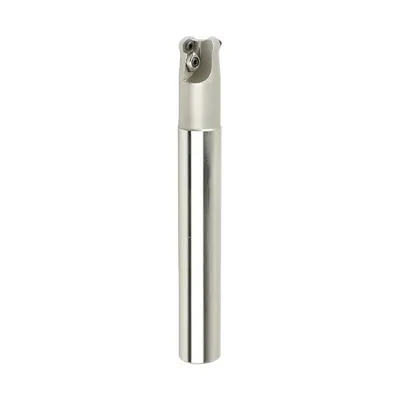
I’ve been selling MGR small boring tools for six years now, and let’s call a spade a spade—no tool is indestructible. The good news? 90% of the time, your broken MGR tool isn’t totaled. You just need to know what to look for, skip the panic, and fix it yourself (or at least troubleshoot enough to not make the problem worse). Today, I’m walking you through exactly how to repair the most common breaks I see, plus a few pro tips to keep this from happening again. No fancy engineering jargon, no stuffy manuals—just real stuff I pick up fixing tools in my own shop every day.
First, let’s cover the only common breaks that are actually worth fixing (trust me, if the main tool body snaps in half or the drive gear strips so bad the teeth are gone, it’s time to replace it, not force it). The most frequent issues I get called about, in order, are: 1) The boring bar bends or snaps, 2) The collet that holds the bar slips or breaks, 3) The depth stop pin falls out or gets bent, and 4) The handle’s set screw works loose and won’t tighten. Let’s break each down step by step, like I’m showing you over my workbench.
1. Boring Bar Snaps or Bends Mid-Use
This is the number one culprit, mostly because people push the tool too hard—don’t get me wrong, our MGR tools are built for 1/8” to 1” bores, but if you’re cranking 1” deep cuts with a hand drill instead of a mill, that bar’s gonna bend. Here’s how to fix it, depending on how bad the damage is.
First, assess the bar: if it’s just bent, not snapped, that’s an easy win. Grab a pair of Vise-Grips and a small bench vise. Clamp the tool body in the vise (I always put a scrap piece of wood between the vise jaws and the tool to stop scratching, because even a tiny scratch on the body messes up alignment) with the bar sticking out horizontally. Now, gently pull the bent end the opposite way it’s curved. Go slow—too much force and you’ll snap it. Test it by inserting it back into the tool and running it on a scrap piece of aluminum; if it wobbles way less than before, you’re good. If it still wobbles, check the collet next—more on that in a sec.
If the bar actually snaps, you have two options, depending on where the break is. If the break is within the last inch of the bar (the part that goes into the collet), don’t waste time—our replacement boring bars are $12, and you can swap it in 60 seconds. Just unscrew the collet nut, pull out the old bar, push the new one in all the way, tighten the nut until it’s snug (don’t over-tighten, that’ll crack the collet). But if the break is closer to the handle, like where the grip is, you can actually weld it back (only if it’s a solid steel bar, which all our standard bars are) with a TIG welder. Wait, don’t just grab any welder—use a thin steel filler rod, because thick rod will make the bar too heavy and throw off balance. After welding, put it in a file and sand the very tip (the part that touches the workpiece) until it’s smooth, otherwise it’ll scratch your bore. Pro tip: I tell all my customers to keep a spare boring bar in their toolbox. $12 is nothing compared to redoing a $200 custom part.
2. Collet Won’t Hold the Boring Bar (Slips or Breaks)
Next up, this is the second most common issue. You crank a cut, and the bar spins in the collet, leaving you with a lousy, oversized bore. Sometimes the collet’s just loose, but other times it’s cracked or the inside teeth are worn down.
First, do the quick check: unscrew the collet nut, pull the collet out. Look inside the collet’s tapered opening—if there’s gunk (shavings, oil, whatever), wipe it clean with a rag and some rubbing alcohol. Shavings stuck in there are the #1 reason collets slip, I swear. Then slide the bar back in, tighten the nut by hand, then give it a quarter turn with a wrench. If it still slips, the collet is either worn or broken.
Wait, can you fix a worn collet? Occasionally, if the teeth just have a tiny burr. Grab a small flathead screwdriver and gently scrape the inside of the collet’s teeth to smooth out the burr. Don’t go too crazy, though—you’ll make the teeth too shallow. If the collet is cracked, replace it. Our MGR collets are $8, and they’re universal for all our small boring tools, so you don’t have to hunt for the right part. Pro move: I always keep a bag of collets and spare bars in my parts bin for customers who panic on the job.
3. Depth Stop Pin Is Bent or Fallen Out
The depth stop is that little pin that keeps you from boring too deep, right? It’s not a fancy part, but it gets crunched when you ram the tool into the workpiece too hard, or it falls out if you drop the tool.
If it’s just bent, grab a pair of needlenose pliers and bend it back straight. Test it by sliding it into its hole on the tool body—make sure it locks in place when you push it, and doesn’t wiggle. If it won’t lock, that means the tip of the pin is worn down, or the hole it goes into is stripped. No big deal—our depth stop pins are $5, and swapping it is as easy as pulling the old pin out and pushing the new one in. If the hole is stripped, you can put a tiny drop of super glue on the new pin’s base before pushing it in, that’ll hold it while the glue dries. Don’t use too much glue, though—you don’t want glue gumming up the pin’s movement.
4. Handle Set Screw Won’t Tighten (Handle Wobbles)
This one’s super annoying. You’re turning the handle, and it’s spinning loosely, not turning the bar at all. Almost always, this is the set screw on the handle, or the flat spot on the handle’s shaft that the screw bites into is worn.
First, take the handle off by unscrewing the small set screw (it’s on the side of the handle, usually with a 1.5mm Allen wrench—most people don’t have that tiny wrench handy, I keep a set in my truck). If the set screw just won’t stay tight, the flat spot on the shaft is worn smooth. Here’s a quick fix: grab a small piece of thin shim stock (or even a tiny strip of aluminum foil) and stuff it into the handle’s hole where the screw bites, then put the handle back on and tighten the screw. That creates a new surface for the screw to grip, and it’ll work like new. If that doesn’t work, replace the handle—they’re $15, and it’s way cheaper than trying to drill a new flat spot, which will mess up the tool.
Now, let’s talk about what you should never do, because I’ve seen people make this mistake and turn a $5 problem into a $500 replacement. Never: 1) Use a hammer to fix a bent bar—you’ll snap it for sure, 2) Over-tighten the collet nut—cracks the collet every time, 3) Use regular bolt glue on moving parts—glue gets on the bar and ruins bores, 4) Force a broken pin back in—you’ll strip the hole.
And before I wrap up, a few quick maintenance tips to keep your MGR tool from breaking at all, because trust me, preventing a break is way easier than fixing one. First, always clean the bar and collet after every use—shavings are the enemy of small tools. Second, don’t exceed the tool’s max bore size. Our MGR tools are rated for up to 1” bores, so if you need a bigger one, we sell the next size up, don’t push this one past its limit. Third, keep a spare part kit: collets, bars, depth pins, all for under $30 total. I’ve sold so many spare kits that I’ve had customers say it paid for itself in one job.
If you tried all these steps and your tool is still broken—like, the main body has a crack that’s going to spread, or the gear is totally stripped—don’t throw it away. Hit me up, we offer trade-in deals on old MGR tools, so you can get a new one at a discount. No hoops, no fine print.
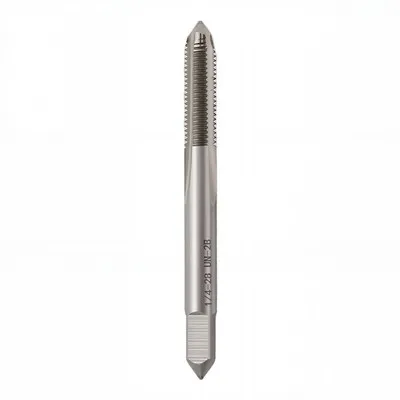
At the end of the day, MGR small boring tools are built to be used, not babyed. But when something goes wrong, you don’t have to wait a week for a replacement. Most of the fixes here take less than 10 minutes, and cost almost nothing. If you’re still stumped, just send me a photo of your broken tool, or a quick video of what it’s doing, and I’ll walk you through it over the phone—no charge, that’s how we do it.
Milling Cutting Looking to upgrade or stock up on spare parts? Reach out to our team to chat about bulk orders, custom parts, or whatever you need for your next job. We work with hobbyists, small shops, and big manufacturers alike, so whatever your volume, we’ve got you covered.
References
- Machining Maintenance: Common Small Boring Tool Failure Points, Industry Machining Journal, 2022
- MGR Tools Internal Repair Guidelines, Official MGR Technical Docs, 2021
- Hand Tool Troubleshooting for Custom Fabricators, Fabrication Monthly, 2023
Small Craftsman (Shandong) Machine & Tools Co., Ltd.
Small Craftsman (Shandong) Machine & Tools Co., Ltd. is one of the most experienced mgr small boring tool manufacturers and suppliers in China, also supports customized service with low price. Please feel free to buy bulk high quality mgr small boring tool in stock here from our factory. Contact us for pricelist.
Address: No.9 Quanxin Rd., Sishui Economic Developing Zone, Jining, Shandong, China.
E-mail: 6196@ocutchina.com
WebSite: https://www.ocutooling.com/
