Hey there! I’m a supplier of LPG pipes, and today I wanna share with you how to install an LPG pipe in an airport. It’s not a walk – in – the – park job, but with the right know – how, we can get it done safely and efficiently. LPG Pipe
Pre – Installation Planning
First things first, before we even think about getting our hands dirty, we need to do some serious planning. Airports are high – security and high – traffic areas, so we gotta follow a ton of regulations.
We start by conducting a thorough site survey. We need to figure out the best route for the LPG pipe. We gotta avoid areas with high foot traffic, electrical equipment, and other potential hazards. For example, we don’t want the pipe running right next to a busy terminal entrance or near large electrical transformers.
Next up, we need to get all the necessary permits. This is super important. You don’t wanna start the installation and then get shut down by the airport authorities because you didn’t have the right paperwork. We’ll work with the airport management to get all the approvals for the work we’re gonna do.
We also gotta make sure we have the right materials. As an LPG pipe supplier, I know that the quality of the pipes matters a lot. We’ll choose pipes that are made from high – grade materials, ones that can withstand the pressure and environmental conditions at the airport. We’ll also need all the fittings, valves, and other accessories to complete the installation.
Safety Precautions
Safety is the name of the game when it comes to installing LPG pipes in an airport. LPG is flammable, and any mistake could lead to a major accident.
We’ll set up a safety perimeter around the installation area. This will keep unauthorized people out and prevent any accidental damage to the work in progress. All the workers on the site will be equipped with proper safety gear, like fire – resistant clothing, safety goggles, and gloves.
Before we start any cutting or welding, we’ll make sure the area is well – ventilated. This helps to prevent the build – up of LPG vapors, which could be explosive. We’ll also have fire extinguishers and other safety equipment on standby at all times.
Installation Process
Pipe Laying
Once we’ve got all the planning and safety measures in place, it’s time to start laying the pipes. We’ll dig trenches for the underground pipes. The depth of the trenches is crucial; we need to make sure the pipes are buried deep enough to protect them from damage.
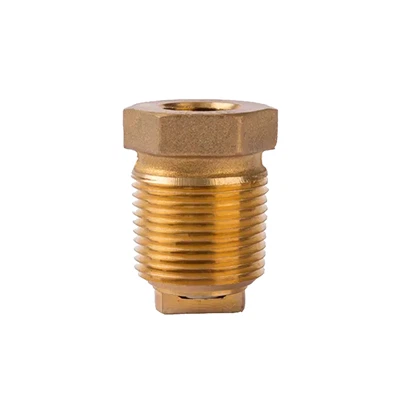
We’ll connect the pipes using the right fittings. It’s important to make these connections tight to prevent any leaks. We’ll use welding or mechanical connectors, depending on the type of pipes and the requirements of the installation.
As we lay the pipes, we’ll also install supports at regular intervals. These supports keep the pipes in place and prevent them from sagging or moving.
Valve and Instrument Installation
Valves are an essential part of the LPG pipe system. We’ll install shut – off valves at strategic points along the pipeline. These valves allow us to control the flow of LPG and isolate sections of the pipe if there’s a problem.
We’ll also install pressure gauges and other instruments to monitor the system. These instruments help us to keep an eye on the pressure and flow of the LPG, ensuring that everything is working as it should.
Testing
After the installation is complete, we can’t just start using the system right away. We need to test it thoroughly. We’ll conduct a pressure test to check for any leaks in the pipes and connections. We’ll fill the system with a non – flammable gas at a higher pressure than normal operating conditions. If there are any leaks, we’ll be able to detect them and fix them before we start using LPG.
We’ll also test the valves and instruments to make sure they’re working properly. This includes opening and closing the valves and checking the readings on the gauges.
Commissioning and Maintenance
Once the testing is successful, we can start commissioning the LPG pipe system. This involves slowly introducing LPG into the system and making sure everything is operating smoothly.
But our job doesn’t end there. Regular maintenance is crucial to keep the LPG pipe system in good working condition. We’ll schedule regular inspections to check for any signs of wear and tear, leaks, or other problems. We’ll also replace any damaged parts as soon as possible.
Why Choose Our LPG Pipes?
As an LPG pipe supplier, we offer top – notch products. Our pipes are made from high – quality materials that are resistant to corrosion and can handle the high pressures associated with LPG. We also have a wide range of pipe sizes and fittings to meet the specific needs of airport installations.

Our team has years of experience in the industry. We know all the regulations and safety requirements for airport installations, and we can ensure that the installation is done right the first time. Plus, we offer great after – sales service. If you have any problems with the pipes or the installation, we’re here to help.
Commercial and Industrial Gas Cylinders If you’re in charge of an airport project and need LPG pipes, or if you’re just looking to learn more about our products, don’t hesitate to reach out. We’re happy to have a chat about your requirements and see how we can help you with your LPG pipe installation.
References
- "Safety Guidelines for LPG Installations in Public Areas", published by a leading industry safety organization.
- "Pipe Installation Best Practices", a handbook used by many professionals in the pipeline construction field.
Shanghai Luzhen SCM Co., Ltd.
As one of the most professional lpg pipe manufacturers and suppliers in China, we’re featured by quality products and good price. Please rest assured to buy bulk discount lpg pipe from our factory. We also accept customized orders.
Address:
E-mail: bao@lu-chain.com
WebSite: https://www.lu-chain.com/
